
7 Kindergarten Readiness Skills Every Child on the Autism Spectrum Needs Before School
Kindergarten readiness autism goes beyond ABCs. It includes self-care, coping tools, and social skills. Find out what to build before the first bell rings.
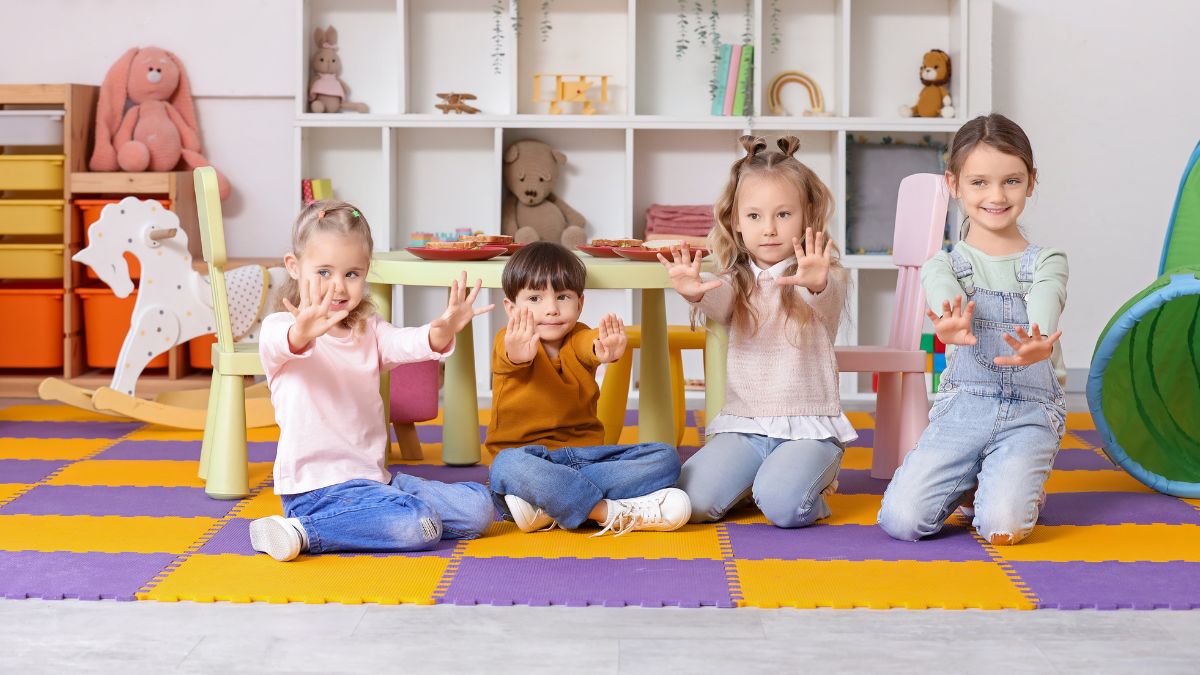
Key Points:
- Kindergarten readiness for autistic children includes daily routines, functional communication, social participation, and emotional regulation.
- It also includes self-care independence, early learning skills, and attention flexibility.
- Children don’t need to read before school, but they do need predictable routines, coping tools, and ways to ask for help to succeed in a busy classroom.
Are you a parent of an autistic child who often wonders, “Will my child be okay in that busy classroom?” It is indeed concerning, especially when routines, new adults, and noise can feel like a lot all at once.
When you talk about “kindergarten readiness autism,” more than knowing letters and numbers, it includes social, emotional, self-care, and learning habits that center-based ABA therapy can strengthen. In one statewide report, only 42% of kindergarteners showed full school readiness, and just 17% of children with disabilities reached that level.
The skills below highlight what helps children on the spectrum move from preschool to kindergarten feeling more prepared, and how families can build each area over time.

Skill 1: Kindergarten Readiness Autism and Daily Routines
Kindergarten days run on structure. Children are asked to line up, move between activities, clean up, and follow short group instructions. For many autistic children, new routines and quick shifts can trigger stress, especially when they rely on predictability at home.
Planning around kindergarten readiness often starts with breaking routines into simple, teachable steps. Helpful practice targets include:
- Arrival Routine: Practice hanging a backpack, putting a folder in a bin, and going to a chosen spot.
- Group Transitions: Rehearse lining up from different parts of the house and walking to a “classroom” space.
- Clean-Up Cues: Teach simple phrases and gestures that signal it is time to put toys away and shift to something new.
Visual schedules, timers, and consistent wording make these routines clearer. Over time, children learn what comes next, which supports smoother school readiness as ABA therapy prepares children for kindergarten.
Skill 2: Communication That Works in the Classroom
Kindergarten teachers need to know when a child is hungry, tired, scared, or confused. Autistic children may use speech, pictures, signs, or a device, and all of these count when communication helps them meet their needs.
A child is more ready when they can:
- Ask for Help: Request assistance when they are stuck on a task or do not understand.
- Ask for a Break: Signal when they need a quiet space or pause from sensory overload.
- Express Basic Needs: Communicate bathroom needs, hunger, thirst, or pain in some reliable way.
Research shows that stronger communication and self-regulation skills before school are linked to better classroom engagement and later academic performance.
ABA therapy can support these goals by teaching functional requests, simple back-and-forth exchanges, and responses to common classroom questions. When parents practice the same phrases at home, the child hears consistent patterns, which makes it easier to carry those kindergarten skills autism into a new setting.
Skill 3: Social Readiness for Kindergarten
Kindergarten brings new peers, new adults, and lots of shared materials. Children on the spectrum may want friendship but struggle with the fast, unspoken rules of group play, which can affect their comfort in those early weeks.
Social readiness kindergarten often includes skills such as:
- Sharing Space: Sitting near peers without grabbing materials or pulling away.
- Turn Taking: Waiting briefly while another child uses a toy or answers a question.
- Responding to Others: Looking toward a teacher who calls their name or answering simple social questions.
Structured social skills practice, role-play, and small-group games can give autistic children a safer place to rehearse these moments. Families can mirror these games at home with siblings or cousins so the child experiences similar patterns in school environments before they meet a full class.
Skill 4: Handling Feelings and Change
Kindergarten is full of surprises: fire drills, substitute teachers, schedule changes, noise in the hallway. Many autistic children feel these shifts more intensely, which can show up as crying, bolting, or shutting down.
Emotion regulation for school might focus on:
- Recognizing Feelings: Naming when they feel “too loud,” scared, or frustrated.
- Using Coping Tools: Turning to sensory tools, fidgets, headphones, or a break card instead of hitting or running.
- Recovering After Upset: Returning to an activity or a quiet alternative once they have calmed down.
Large studies have found that executive function skills like working memory and impulse control in kindergarten predict later reading, math, and even behavior in second grade. When children can pause, notice how they feel, and use a simple strategy, the whole school day tends to go more smoothly.
Skill 5: Self-Care and Independence
Teachers handle many children at once. When a child can manage parts of their own self-care, it eases stress for both the child and staff. For autistic kids, independence comes in small pieces that build over time.
Core self-care goals for school readiness include:
- Toileting and Handwashing: Using the bathroom with as much independence as possible and washing hands with prompts.
- Managing Food: Opening lunch containers, packets, and water bottles, or clearly asking adults to help.
- Handling Clothing: Putting on and taking off a jacket, backpack, and simple fasteners with support as needed.
Task analysis, gentle prompts, and meaningful rewards help children learn each step in home routines. Practicing in real school-like situations, such as lunch in a cafeteria or bathroom visits outside the home, helps those gains transfer from preschool to kindergarten.

Skill 6: Academic Preparation and Early Learning
Families sometimes worry that their child must read or do math before kindergarten. Early academic preparation actually centers more on the building blocks that support later learning, especially for children on the spectrum.
Valuable early learning skills include:
- Listening to Short Stories: Staying with a picture book and answering simple “who” or “what” questions.
- Basic Concepts: Matching, sorting, naming shapes, and counting small sets of objects.
- Fine Motor Practice: Holding crayons, making marks, and manipulating small objects.
Research on executive function and fine motor skills shows both predict school readiness, even in children with behavior challenges.
Structured teaching times and play-based activities build early skills. ABA strategies at home to support learning also strengthen academic preparation. Families can count stairs on the way up, sort laundry by color, or trace letters in shaving cream, turning ordinary tasks into gentle practice.
Skill 7: Attention, Persistence, and Flexibility
Kindergarten asks children to sit for short lessons, keep trying when work gets tricky, and switch tasks even when they want to stay where they are. For many autistic children, these “learning-how-to-learn” skills are just as important as any worksheet.
Helpful targets for attention and flexibility include:
- Staying With a Task: Working on an activity for a set number of minutes or turns.
- Trying Again: Attempting a problem or motor task more than once, even if it feels hard.
- Shifting Activities: Moving from a preferred activity to a less preferred one with support.
Studies on school readiness show that approaches to learning and self-regulation predict later academic success and behavior, not just IQ or language.
Families and therapists can build these skills by gradually increasing how long a child stays with an activity, using clear “first/then” language, and rewarding small steps toward flexibility. These efforts make the transition to school less abrupt and support more steady participation in class.
From Preschool to Kindergarten: Planning the Transition
The move from preschool to kindergarten is a major life change for any child, and studies describe it as a turning point that places extra demands on families and schools when autism is involved. Planning early and using ABA therapy to help children transition to school gives everyone more space to adjust.
Families can:
- Meet With the Team: Bring together preschool staff, ABA providers, and the future school to discuss strengths and needs.
- Align Goals: Make sure therapy targets and IEP goals support the same school readiness skills the kindergarten expects.
- Visit and Practice: Tour the school, walk the hallways, and practice arrival and dismissal with photos or simple social stories.
In some districts, children who attend pre-kindergarten programs show higher rates of readiness than peers without that experience, which shows how much structured practice can help.
When planning covers communication, routines, and emotions together, center-based ABA programs can make kindergarten readiness support feel less like a sprint and more like a gradual handoff.

FAQs About Kindergarten Readiness and Autism
How do I know if my autistic child is ready for kindergarten?
You will know that your autistic child is ready for kindergarten when they can follow simple directions, participate in 10–15 minute group activities, and communicate basic needs using speech, signs, pictures, or AAC. Kindergarten readiness also includes basic self-care skills, early math and language abilities, and social-emotional regulation.
Can a mild autistic child become normal?
No, a mild autistic child does not become normal because autism is a lifelong neurodevelopmental condition. Significant gains in language, academic performance, and daily living skills occur with early intensive intervention. Some children no longer meet full diagnostic criteria over time, yet subtle differences or related support needs often remain.
How to prepare an autistic child for kindergarten?
To prepare an autistic child for kindergarten, practice daily school routines such as lining up, circle time, and clean-up for 2–3 months before the first day. Visual schedules, social stories, and school photos build predictability and reduce anxiety. Coordination with teachers and therapists aligns goals, supports communication, and strengthens classroom adjustment.
Celebrate Your Child’s Kindergarten Start With the Right Support
Kindergarten readiness grows one small skill at a time, from following routines and sharing space with classmates to asking for help and staying with a task. When these seven areas get steady attention at home and in therapy, the first day of school feels less like a leap and more like the next natural step.
Big Dreamers ABA offers personalized ABA therapy focused on practical school-readiness skills for children with autism. Our team provides services in Georgia and Maryland, supporting families through in-home and center-based programs that build communication, independence, and classroom readiness.
Ready to give your child extra support before that first bell rings? Reach out to us to talk about your child’s current strengths, the skills you want to see grow, and how we can help your child feel more prepared for kindergarten.
Need Support? We're Here to Help
Our dedicated team provides personalized ABA therapy to help your child thrive. We make access to quality care simple and effective.
Contact us today to start ABA therapy.
Recent articles


Why Does My Child Love Tickling So Much — Is It Autism?
.jpg)
Using Art and Crafts to Teach Patience and Focus With ABA Strategies
