
How Social School Support Makes School Transitions Easier for Children
Starting school, changing grades, or moving to a new school can be an exciting time for children—but it can also bring challenges. Adjusting to new teachers, classmates, routines, and expectations requires guidance and support.

Starting school, changing grades, or moving to a new school can be an exciting time for children—but it can also bring challenges. Adjusting to new teachers, classmates, routines, and expectations requires guidance and support. Social School Support plays a crucial role in helping children navigate these transitions smoothly, reducing stress, and fostering confidence. Families seeking professional assistance often turn to ABA therapy services Maryland to provide structured support during these changes.
Understanding the Importance of Social School Support
Social School Support focuses on creating a supportive environment for children as they adapt to new educational settings. By emphasizing relationships, communication, and structured guidance, children can learn to manage emotions, understand social cues, and engage positively with peers.
Children with strong social support networks are better equipped to handle academic demands and emotional challenges. Without this support, transitions can become overwhelming, leading to anxiety, behavioral challenges, and difficulties in forming friendships. Schools that integrate structured social support initiatives provide children with the tools they need to thrive both academically and socially.
How Social Skills Impact School Transitions
Children who develop social skills early are more likely to adjust successfully to new school environments. Social School Support helps children:
Build communication skills for interacting with teachers and classmates.
Understand classroom routines and expectations.
Manage conflicts or disagreements with peers.
Develop confidence in group activities and collaborative tasks.
These skills are especially important during transitions, such as moving from elementary to middle school or starting a new school after relocation. ABA programs, such as ABA home therapy near me, can complement school support by reinforcing social skills in familiar environments.
Strategies Schools Use to Provide Social School Support
Effective Social School Support involves a combination of proactive planning, individualized attention, and structured guidance. Key strategies include:
1. Orientation Programs
Orientation programs allow children to familiarize themselves with the school environment before the academic year begins. This includes meeting teachers, exploring classrooms, and learning daily routines. These early experiences can reduce anxiety and create a sense of belonging.
2. Peer Mentoring
Pairing new students with experienced peers fosters friendships and provides guidance on navigating school life. Peer mentors can offer insights on classroom norms, school rules, and social expectations, helping children feel connected and supported.
3. Teacher-Led Social Skill Lessons
Teachers can integrate social skills lessons into the curriculum, focusing on communication, teamwork, and problem-solving. Consistent reinforcement helps children practice these skills daily, building confidence in social interactions.
4. Collaboration With Families
Engaging families in the transition process ensures continuity between home and school. Parents and caregivers can share insights about a child’s preferences, strengths, and challenges, which allows schools to tailor support effectively.
Role of ABA Therapy in School Transitions
ABA, or Applied Behavior Analysis, is a research-backed approach that helps children develop essential skills. Incorporating ABA strategies during school transitions can make Social School Support even more effective.
ABA therapists can:
Teach coping strategies for new routines and environments.
Reinforce positive social interactions with peers and teachers.
Provide individualized support tailored to each child’s needs.
For parents searching for ABA home therapy near me, this approach ensures that children receive consistent guidance both at school and at home. Combining ABA therapy with school-based social support creates a strong foundation for success.
Benefits of Social School Support
Children who receive structured Social School Support experience several positive outcomes:
Reduced Anxiety: Knowing that support is available helps children feel safe and confident.
Improved Peer Relationships: Guidance on social interactions promotes friendships and teamwork.
Enhanced Academic Performance: Children who are emotionally and socially prepared can focus better on learning.
Increased Independence: Gradual exposure to new routines fosters self-reliance and adaptability.
These benefits highlight why Social School Support is essential, particularly for children who may struggle with adjusting to change or new social environments.
Supporting Children Through Emotional Challenges
Transition periods can trigger strong emotions in children, including fear, frustration, or reluctance to engage. Social School Support equips children with tools to recognize, express, and manage their feelings constructively.
Techniques such as guided discussions, role-playing, and structured reflection help children identify their emotions and respond appropriately. Teachers and therapists can collaborate to create individualized strategies, ensuring children feel heard, understood, and empowered.
Tips for Parents to Enhance Social School Support at Home
Parents play a vital role in complementing school-based support. Here are practical ways to enhance Social School Support:
Establish Routines: Consistent daily schedules help children feel secure and prepared for school.
Practice Social Scenarios: Role-playing common social situations can build confidence.
Encourage Communication: Open dialogue about school experiences allows children to express concerns.
Celebrate Successes: Recognizing achievements, even small ones, reinforces positive behavior and resilience.
For families seeking more structured assistance, professional ABA programs such as ABA therapy services Maryland provide guidance tailored to each child’s needs.
Collaborative Approach Between Schools and Families
Effective Social School Support requires collaboration between educators, families, and specialists. By maintaining open communication, sharing progress updates, and aligning strategies, schools and parents can ensure a consistent support system.
Regular check-ins, individualized plans, and feedback loops help identify areas where children need extra support, making the transition smoother and more successful. This collaborative approach also strengthens the relationship between children, families, and educators, fostering a nurturing environment for growth.
Long-Term Impact of Social School Support
The benefits of Social School Support extend beyond the immediate transition period. Children who receive consistent guidance are better equipped to:
Navigate future transitions with confidence.
Develop strong interpersonal skills that enhance academic and social experiences.
Cultivate resilience in the face of challenges.
Build lifelong habits for managing change effectively.
Early intervention and proactive support can set children on a path toward long-term success, both academically and socially.
Conclusion
Social School Support is a crucial resource for children navigating school transitions. Through structured guidance, collaborative efforts between schools and families, and complementary ABA therapy, children can adjust more easily, build confidence, and develop lasting social skills. By prioritizing social and emotional development alongside academics, schools create an environment where every child has the opportunity to thrive.
At Big Dreamers ABA, we specialize in ABA therapy for autism—a proven, science-based treatment grounded in applied behavior analysis. Our mission is to support families with compassionate, effective ABA therapy services. Whether you're searching for in-home ABA therapy near me, ABA agencies, or the best in-home ABA therapy, we’re here to help your child thrive.
FAQs
What is Social School Support?
Social School Support refers to structured programs and strategies that help children adjust to new school environments. It focuses on developing social skills, managing emotions, and fostering positive interactions with peers and teachers. This support helps reduce stress and makes transitions smoother.
How can Social School Support help my child during school transitions?
Social School Support provides children with guidance, peer mentoring, and skill-building activities. These strategies help children feel confident, understand routines, and develop friendships, making transitions like moving to a new school or grade easier to navigate.
When should children receive Social School Support?
Children can benefit from Social School Support during any transition, including starting school for the first time, changing grades, or moving to a new school. Early intervention ensures children develop essential social skills and coping strategies before challenges arise.
Can Social School Support be combined with ABA therapy?
Yes. ABA therapy programs, such as ABA therapy services Maryland or ABA home therapy near me, complement Social School Support by reinforcing social skills and coping strategies in structured sessions. This combination provides consistent support both at school and home.
How do schools provide Social School Support?
Schools may use orientation programs, peer mentoring, teacher-led social skill lessons, and collaboration with families. These strategies help children feel safe, connected, and prepared for the academic and social demands of school.
What are the benefits of Social School Support?
Children who receive Social School Support often experience reduced anxiety, improved peer relationships, stronger social skills, better focus on academics, and increased independence. Long-term, it helps children navigate future transitions successfully.
How can parents support Social School Support at home?
Parents can help by establishing routines, practicing social scenarios, encouraging communication, and celebrating achievements. Collaborating with ABA professionals, such as those offering ABA home therapy near me, can provide additional structured guidance.
Is Social School Support only for children with challenges in social skills?
No. All children can benefit from Social School Support during transitions. While it is particularly helpful for children needing extra guidance, proactive support ensures every child adjusts smoothly and develops confidence in social situations.
How long does Social School Support take to show results?
The impact varies depending on the child and the strategies used. With consistent guidance at school and support at home, many children start showing improved confidence and social skills within a few weeks of structured interventions.
How can I find ABA therapy programs to support Social School Support?
Families can search for ABA therapy services Maryland or ABA home therapy near me to find qualified professionals who can complement school-based Social School Support. These programs provide individualized strategies to enhance social skills and ease transitions.
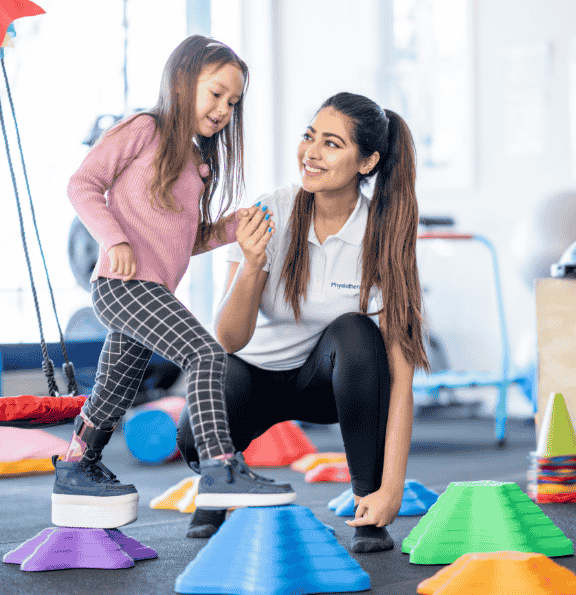
Need Support? We're Here to Help
Our dedicated team provides personalized ABA therapy to help your child thrive. We make access to quality care simple and effective.
Contact us today to start ABA therapy.
Recent articles


Who Can Conduct a Functional Behavior Assessment?

Variable Ratio Schedule & Examples
