
How Music-Based Activities Support ABA Learning During the Christmas Season
The Christmas season is filled with joy, rhythm, and togetherness—making it the perfect time to bring music into learning routines.
.jpg)
The Christmas season is filled with joy, rhythm, and togetherness—making it the perfect time to bring music into learning routines. When thoughtfully integrated into applied behavior analysis programs, music-based activities can create festive, motivating learning experiences while supporting essential developmental goals. Families exploring options such as in home aba therapy Maryland often look for engaging, joyful strategies during the holidays that maintain structure while embracing seasonal excitement. Music naturally bridges that gap, keeping learners motivated and connected.
Why Music Fits Perfectly Into Holiday ABA Programs
Christmas music is familiar, predictable, and emotionally uplifting—qualities that align beautifully with ABA Learning strategies. Rhythm and repetition help create structure, while festive melodies increase motivation and participation.
During the holiday season, music helps maintain consistency when routines change. Songs provide comfort, clear expectations, and a sense of celebration, helping learners stay calm, focused, and engaged even during busy winter schedules.
Building Communication Skills With Festive Music Activities
Holiday songs offer excellent opportunities to support communication goals. Simple Christmas tunes with repetitive lyrics allow learners to practice imitation, labeling, and turn-taking in a joyful, low-pressure way.
Therapists may pause during familiar holiday songs, encouraging children to fill in words, gestures, or sounds. This strengthens expressive attempts while keeping ABA Learning sessions fun and meaningful.
In classrooms, professionals providing school based aba therapy often use seasonal songs for greetings, transitions, and group participation—making daily routines feel special while reinforcing learning objectives.
Improving Motor Skills With Holiday Movement Songs
Christmas music naturally invites movement—clapping, dancing, tapping, and marching. These activities help strengthen coordination, balance, and imitation skills while keeping children actively engaged.
Simple actions like ringing bells, shaking jingle instruments, or following movement cues to festive songs support both fine and gross motor development. Movement-based music also increases attention span, allowing learners to participate longer and benefit more from their ABA Learning sessions.
Enhancing Focus and Learning Readiness During the Holidays
Holiday excitement can sometimes make it harder for learners to focus. Music helps create smooth transitions and prepares children for structured learning.
A cheerful greeting song at the start of a session or a calming winter melody before tasks helps signal when it’s time to focus. These musical cues reduce stress, increase cooperation, and improve overall ABA Learning readiness.
Supporting Behavior Goals With Christmas-Themed Music
Music can be an effective reinforcer, especially during the holiday season. Short musical rewards—such as a favorite Christmas song or instrument time—can motivate learners to complete tasks and stay engaged.
Calm holiday tunes can help regulate energy levels, while upbeat songs encourage participation when motivation dips. This flexibility allows therapists to adjust sessions while still supporting core behavioral goals.
Encouraging Social Interaction Through Seasonal Music
Christmas music creates natural opportunities for shared enjoyment. Group singing, instrument play, and call-and-response songs promote turn-taking, cooperation, and joint attention.
These festive interactions help learners connect with peers, caregivers, and therapists while reinforcing social engagement skills within ABA Learning programs.
How BCBAs Use Music in Holiday Treatment Plans
Board Certified Behavior Analysts carefully integrate music into treatment plans, especially during seasonal transitions. Music is selected intentionally to support motivation, learning objectives, and consistency across environments.
Professionals exploring bcba job opportunities understand the importance of adapting strategies during holidays while maintaining measurable progress. Caregivers and school staff are also guided on how to use music consistently at home and in educational settings.
Music in Home, School, and Community Settings During Christmas
Music-based strategies work seamlessly across environments. Families receiving home services often use holiday songs for routines like cleanup, dressing, or bedtime.
In schools, educators offering school based aba therapy use festive music to manage transitions and encourage group participation. In community settings, familiar holiday songs help reduce anxiety and support smoother outings during the busy season.
Building Independence and Confidence With Holiday Routines
Music helps learners complete routines independently—even during schedule changes. Holiday-themed songs for daily tasks encourage step-by-step participation with minimal prompting.
As learners master these routines, confidence grows. The joyful nature of Christmas music reinforces success and encourages continued engagement in ABA Learning activities.
Choosing the Right Christmas Music Activities for ABA Sessions
Effective music-based activities should always align with individual goals. Therapists consider preferences, skill levels, and learning objectives when planning seasonal activities.
Popular holiday ABA activities include:
- Call-and-response Christmas songs
- Movement songs with simple actions
- Labeling using holiday objects
- Bell or shaker instrument play
- Musical transition routines
- Short reward music breaks
- Festive greeting and closing songs
Each activity should support clear teaching goals while embracing the warmth of the season.
Conclusion
The Christmas season offers a unique opportunity to make ABA programs more joyful, engaging, and meaningful. When used intentionally, music-based activities enhance focus, communication, motor skills, behavior goals, and social interaction. By blending structure with seasonal cheer, music strengthens outcomes and creates memorable learning experiences within ABA Learning programs.
At Big Dreamers ABA, we provide compassionate, evidence-based ABA therapy services designed to support families year-round. Whether you’re searching for in-home ABA therapy near me, ABA agencies, or trusted in-home services, our team is here to help your child thrive—this holiday season and beyond.
FAQs
How does music improve ABA Learning during the Christmas season?
Music brings familiarity, joy, and structure to ABA Learning, which is especially helpful during the busy holiday season. Christmas music uses predictable rhythms and repeated lyrics that help learners stay focused and engaged. Festive songs also create positive emotional connections, making children more willing to participate in structured learning activities while maintaining consistency in therapy routines.
Why is music especially effective for ABA programs during holidays?
Holidays often involve schedule changes, visitors, and new environments. Music provides stability during these transitions. Familiar Christmas songs help learners understand expectations, manage excitement, and stay calm. In ABA Learning sessions, music acts as a bridge between celebration and structured teaching, keeping sessions productive and enjoyable.
Can Christmas music support communication goals in ABA Learning?
Yes. Holiday songs with simple, repeated words encourage vocal imitation, labeling, and turn-taking. Therapists often pause during familiar Christmas tunes to allow learners to fill in words or gestures. This approach builds expressive communication skills naturally while keeping sessions engaging and festive.
How is music used in in-home ABA therapy during Christmas?
Families receiving in home aba therapy Maryland often use holiday music to support daily routines such as getting dressed, cleaning up, or preparing for bed. Christmas songs help clarify expectations and reduce resistance by turning everyday tasks into fun, structured learning opportunities within ABA Learning programs.
Does festive music help with attention and focus?
Absolutely. Music helps capture attention and sustain engagement, particularly when learners feel overstimulated during the holidays. A consistent holiday song can signal the start of learning time or a transition between activities, improving focus and readiness while reducing frustration during ABA Learning sessions.
Can music help manage behavior goals during the holiday season?
Yes. Music can be used as a positive reinforcer in ABA Learning programs. Short musical breaks, instrument play, or favorite holiday songs can motivate learners to complete tasks. Calming winter melodies can also support emotional regulation, while upbeat songs help increase energy and participation when needed.
How does music support motor skill development in ABA programs?
Christmas music often includes movements like clapping, tapping, marching, or dancing. These actions strengthen coordination, balance, imitation, and timing. Activities such as shaking bells or playing simple instruments improve fine motor skills while keeping learners actively engaged in ABA Learning sessions.
Is music helpful for social skill development?
Yes. Group singing, shared instrument play, and call-and-response holiday songs encourage cooperation, turn-taking, and joint attention. These activities promote positive social interaction and relationship-building within ABA Learning environments, both at home and in group settings.
How do BCBAs decide which music to use in treatment plans?
Board Certified Behavior Analysts select music based on individual preferences, learning goals, and developmental levels. Music is introduced intentionally to support motivation and teaching objectives. Professionals—including those pursuing bcba job opportunities—ensure that music enhances learning rather than distracting from ABA Learning goals.
Can music be used across home, school, and community settings?
Yes. One of music’s greatest strengths is its flexibility. Families, educators providing school based aba therapy, and therapists can use consistent holiday songs across environments. This helps skills generalize and provides familiarity for learners, even in busy or unfamiliar holiday settings.
Does music help children become more independent?
Music supports independence by guiding routines step by step. Holiday songs can help learners complete tasks with less prompting, such as following a sequence for dressing or cleaning up. Over time, this builds confidence and encourages greater independence within ABA Learning programs.
How do caregivers choose the right music-based ABA activities?
Caregivers should focus on music that aligns with the child’s interests and learning goals. Effective activities include movement songs, labeling games, greeting songs, and short reward music breaks. The key is ensuring that every musical activity supports clear ABA Learning objectives while keeping sessions fun and meaningful.
Need Support? We're Here to Help
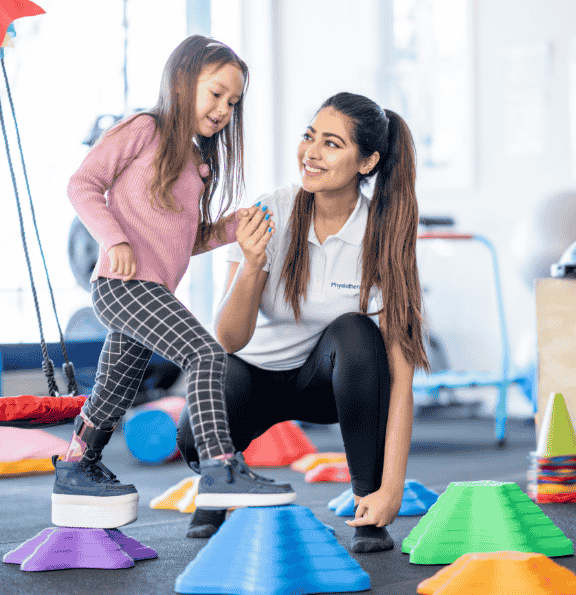
Our dedicated team provides personalized ABA therapy to help your child thrive. We make access to quality care simple and effective.
Contact us today to start ABA therapy.
Recent articles

Why Does My Child Love Tickling So Much — Is It Autism?
.jpg)
Using Art and Crafts to Teach Patience and Focus With ABA Strategies
