
How ABA Therapy Helps with Daily Routines at Home
Mornings, meals, and bedtime can be the hardest parts of the day. Learn how ABA breaks daily routines into steps your child can master.
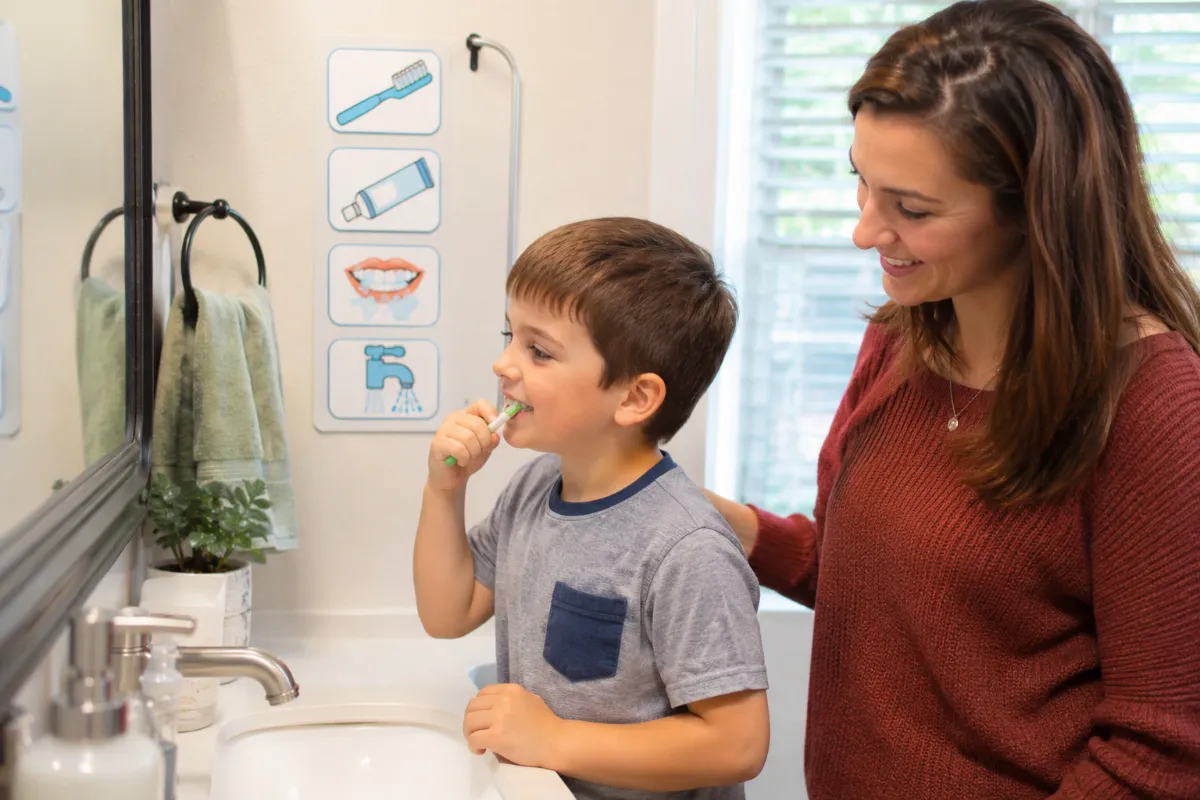
Getting out the door in the morning. Brushing teeth. Sitting down for dinner. Getting into bed and staying there. For many families of children with autism, these ordinary moments are the hardest parts of the day.
Daily routines ask a lot of a child. They involve following several steps, moving from one activity to another, tolerating sensations, and communicating needs, often while the clock is ticking. When any one of those pieces is difficult, the whole routine can fall apart.
The good news is that everyday routines are also some of the best places to teach. At Big Dreamers ABA, we support families across Maryland and Georgia, and much of our in-home work happens right in the middle of real daily life. Here is how ABA therapy helps with daily routines at home, and what you can start doing today.
Why Routines Can Be So Hard
A routine that looks simple to an adult is often made up of many small skills. Consider handwashing. A child needs to walk to the sink, turn on the water, wet their hands, use soap, rub, rinse, turn off the water, and dry. That is eight steps before they even leave the bathroom.
Children with autism may also find routines challenging for other reasons:
- Moving away from a preferred activity can be upsetting
- Water, toothpaste, clothing, or food textures may feel uncomfortable
- Spoken instructions may be hard to process, especially when rushed
- A small change to the usual order can feel overwhelming
- A child may not yet have a reliable way to say "wait" or "help"
ABA looks at exactly where the routine breaks down, then teaches that part instead of treating the whole routine as a problem.
Breaking Big Tasks Into Small Steps
One of the core tools in ABA is task analysis. A therapist breaks a routine into small, teachable steps and identifies which ones your child can already do on their own.
Your child is then taught one step at a time. Sometimes teaching starts with the first step and moves forward. Other times it starts with the last step, so your child experiences finishing the task right away. This is often very motivating, because every attempt ends in success.
Steps are adjusted to your home and your child. There is no single correct way to get dressed, only the way that works for your family.
Teaching With Prompts, Then Fading Them
When a child needs help, a therapist uses the least amount of support needed, such as a gesture, a picture, or a light physical guide if your child accepts it. As the skill grows, that help is gradually reduced. This is called prompt fading.
This step matters because the aim is independence, not a child who waits for an adult to tell them what comes next. Over time, the next step in the routine becomes the cue, rather than a parent's voice.
Using Visual Supports
Many children follow routines more easily when they can see them. Visual supports turn an invisible sequence into something concrete and predictable.
These can include:
- A picture schedule showing the morning routine
- A step-by-step chart taped near the bathroom sink
- A "first, then" card, such as first shoes, then car
- A visual timer that shows how much time is left
Visuals also reduce the number of spoken directions, which can lower frustration for both of you. Your therapist can help you create supports that match your child's level of understanding.
Making Transitions Smoother
Many routine struggles are really transition struggles. Being asked to stop playing and start something else is difficult for a lot of children.
Your ABA team may recommend transition strategies such as giving a warning before a change, using a timer, offering a choice of what to bring along, and strongly reinforcing successful transitions. Predictability helps, and so does making sure the next activity has something good in it for your child.
Teaching Communication During Routines
Some difficult behavior during routines is a form of communication. A child who runs from the bathroom may be saying, "This water is too cold." A child who drops to the floor may be saying, "I am not finished playing."
ABA teaches a better way to send that same message through functional communication training. Your child may learn to say, sign, or point to a picture to ask for help, a break, or more time. When that request works, the challenging behavior often becomes less necessary.
Routine by Routine: What This Can Look Like
Morning. A picture schedule shows each step, and clothes are laid out in order. Your child gets reinforced for finishing, perhaps with a few minutes of a favorite activity before leaving.
Mealtimes. Goals might include sitting at the table for a little longer, requesting food, using utensils, or staying calm around new foods. If your child has a very limited diet or trouble chewing or swallowing, your pediatrician or a feeding specialist should be part of the conversation.
Toileting and hygiene. These routines benefit from small steps, consistent timing, and plenty of patience. Sensory needs are taken into account, such as trying a softer toothbrush or letting your child have more control.
Bedtime. A calm, predictable sequence helps signal that the day is ending. For more ideas, read about bedtime routines and ABA sessions.
Why Learning at Home Makes a Difference
A skill taught in one place does not automatically transfer to another. A child who can wash their hands at a clinic sink may still struggle with the one at home.
This is one advantage of in-home ABA therapy. Your therapist works with your actual bathroom, your actual kitchen table, and the toys and distractions your child sees every day. Skills are practiced exactly where they will be used, and generalization becomes part of the teaching from the start.
What Parents Can Do Today
You do not need a perfect system to begin. A few small habits go a long way:
- Pick one routine. Start with the one causing the most stress, not all of them at once.
- Keep the order the same. Predictability is easier to learn than variety at first.
- Use fewer words. Short, clear directions are easier to follow.
- Allow extra time. Rushing makes teaching much harder.
- Celebrate quickly. Name what your child did right, right after they do it. Positive parenting tips from the CDC can be helpful for ideas by age.
- Keep caregivers consistent. Share the plan with everyone who helps at home.
For more ideas, see our guide on what parents can do between ABA sessions. Changes in routines may take time, and setbacks are normal, especially during illness, travel, or school breaks.
Small Steps, Calmer Days
The goal of working on routines is not a perfectly run household. It is a child who feels more capable, and a family with fewer battles and more breathing room. Each step your child learns builds independence they will carry for years.
At Big Dreamers ABA, our team works alongside families across Maryland and Georgia to turn daily challenges into teaching moments, with parent training that fits real life. If routines have become a daily struggle in your home, reach out to our team and we will help you figure out where to start.

Need Support? We're Here to Help
Our dedicated team provides personalized ABA therapy to help your child thrive. We make access to quality care simple and effective.
Contact us today to start ABA therapy.
Recent articles



What Makes an Individualized ABA Treatment Plan Effective?

Common ABA Therapy Myths Parents Should Know
